
Metal Types
Understanding Metal Types
Different environmental factors can affect the reactions of metal jewelry with your skin. Often people wonder why their skin turns green or they notice a darker ring on their skin where their jewelry lays - this is completely normal. The pH and acidity of your skin can cause the metal to react, even with the highest quality metals such as solid gold. Lotions, perfumes, oils, sunscreen, etc. can also cause a reaction, but overall it is an easy fix.
General Rule for All Types
Always rinse jewelry with fresh water after saltwater, pool, sweating and perfume exposure and dry it to remove salt and minerals; especially Sterling Silver.
About Gold-filled
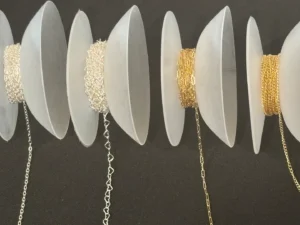
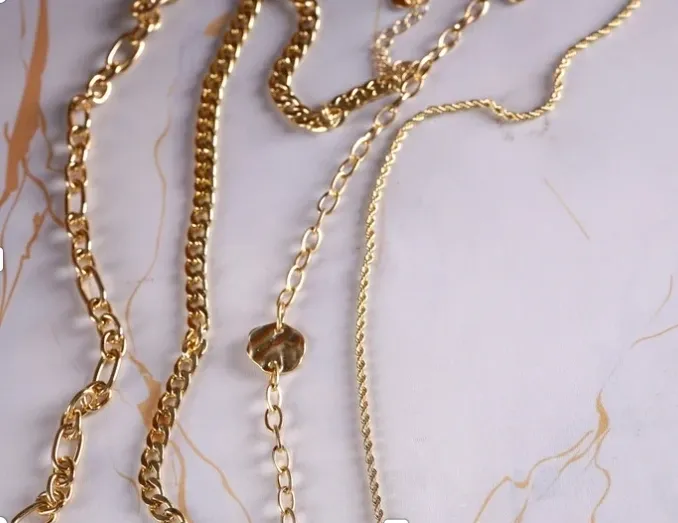
Gold-filled (GF) is an American metal manufacturing process and legal standard of quality. GF is two sheets of solid karat gold. Most popular being 14K gold. These sheets are bonded over a core of brass. For a piece of jewelry to be legally stamped with the telltale ‘GF’ marking, its weight must be at least 1/20th gold, which means that 5 percent of the piece is 14K gold. The surface layer of gold-filled jewelry is about 100 times thicker than any plating and does not peel off.
If you have a known allergy to brass, any gold-filled jewelry may cause a reaction, as the base of the metal is typically brass or steel. Gold-filled has 5% real gold by weight, but the base may be the metal that causes the irritation. If you have a known allergy or have had a previous reaction to gold-filled jewelry before, we recommend sterling silver or solid gold jewelry.
Gold-filled jewelry may vary slightly in color over time. Although the metal will not tarnish, it is still a mixture of metals and can change over time as it comes in contact with harsh chemicals, lotions, perfumes, oils, etc.
To clean gold-filled jewelry:
Gently wash it with a solution of mild soap (like dish soap) and lukewarm water, scrubbing lightly with a soft toothbrush if needed.
You can also wipe pieces with a soft cloth to remove oils and makeup after each wear, and avoid exposing them to chemicals, salt water, or heavy sweating.
The dark mark or discoloration that can occur with gold-filled jewelry is often a result of abrasion or the base metal reacting with substances present on the skin. Here are a few reasons why this may happen:
- Body Chemistry: Every individual’s body chemistry is unique, and some people’s skin chemistry can react with metals differently. Factors like pH levels, sweat composition, and skin acidity can influence the reaction between the base metal and the skin, leading to discoloration.
- Friction and Moisture: When gold-filled jewelry comes into contact with moisture, such as sweat or water, it can accelerate the reaction between the base metal and the skin (jewelry should be cleaned frequently).
- Chemicals and Cosmetics: Contact with chemicals found in cosmetics, lotions, perfumes, hairsprays, hair dyes or household cleaning products can cause gold-filled jewelry to darken.
- Environmental Factors: Exposure to certain environmental elements, such as air pollution, sulfur, or high humidity, can accelerate the tarnishing process of gold-filled jewelry.
About Sterling Silver .925
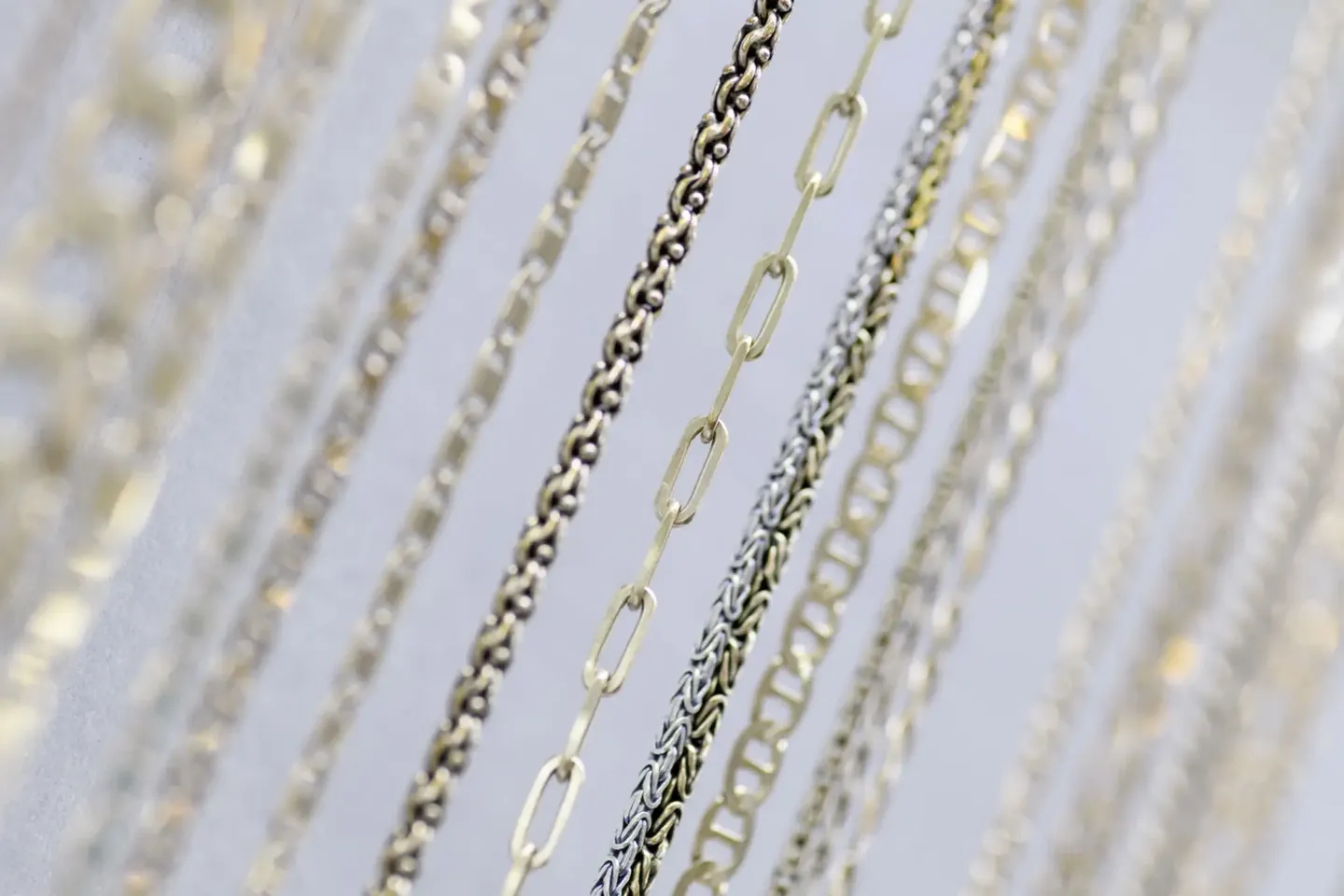
Sterling silver is real silver — but with an important difference. Pure silver (or fine silver) is 99.9% silver, but it’s too soft to make into durable jewelry and other items. To strengthen it, fine silver is alloyed with 7.5% copper, creating what we know as sterling silver.
Sterling silver and 925 silver are interchangeable terms for the same metal alloy. A stamp reading '925' is often found on sterling silver jewellery, confirming it contains 92.5% fine silver.
Fine silver and copper alloy make sterling silver perfect for jewellery making, as it retains silver’s beauty while being more durable for everyday wear.
Timeless and luminous, sterling silver is made of 92.5% pure silver blended with small amounts of other metals for strength.
Always rinse Sterling Silver with fresh water after saltwater exposure and dry it to remove salt and minerals.
Regular cleaning and maintenance can help keep your SS items looking their best. Various methods can be used to clean and polish tarnished silver, including specialized silver cleaning solutions, polishing cloths, or home remedies like baking soda and aluminum foil.
Additionally, storing your SS items in airtight containers or using anti-tarnish strips can help minimize tarnishing.
About Stainless Steel?
Stainless Steel 316L for jewelry is a popular, budget friendly, low-carbon, offering excellent corrosion resistance, durability, and hypoallergenic properties, making it great for everyday fashion jewelry and components that won't easily tarnish or irritate skin. Although considered hypoallergenic, there are small amounts of nickel.
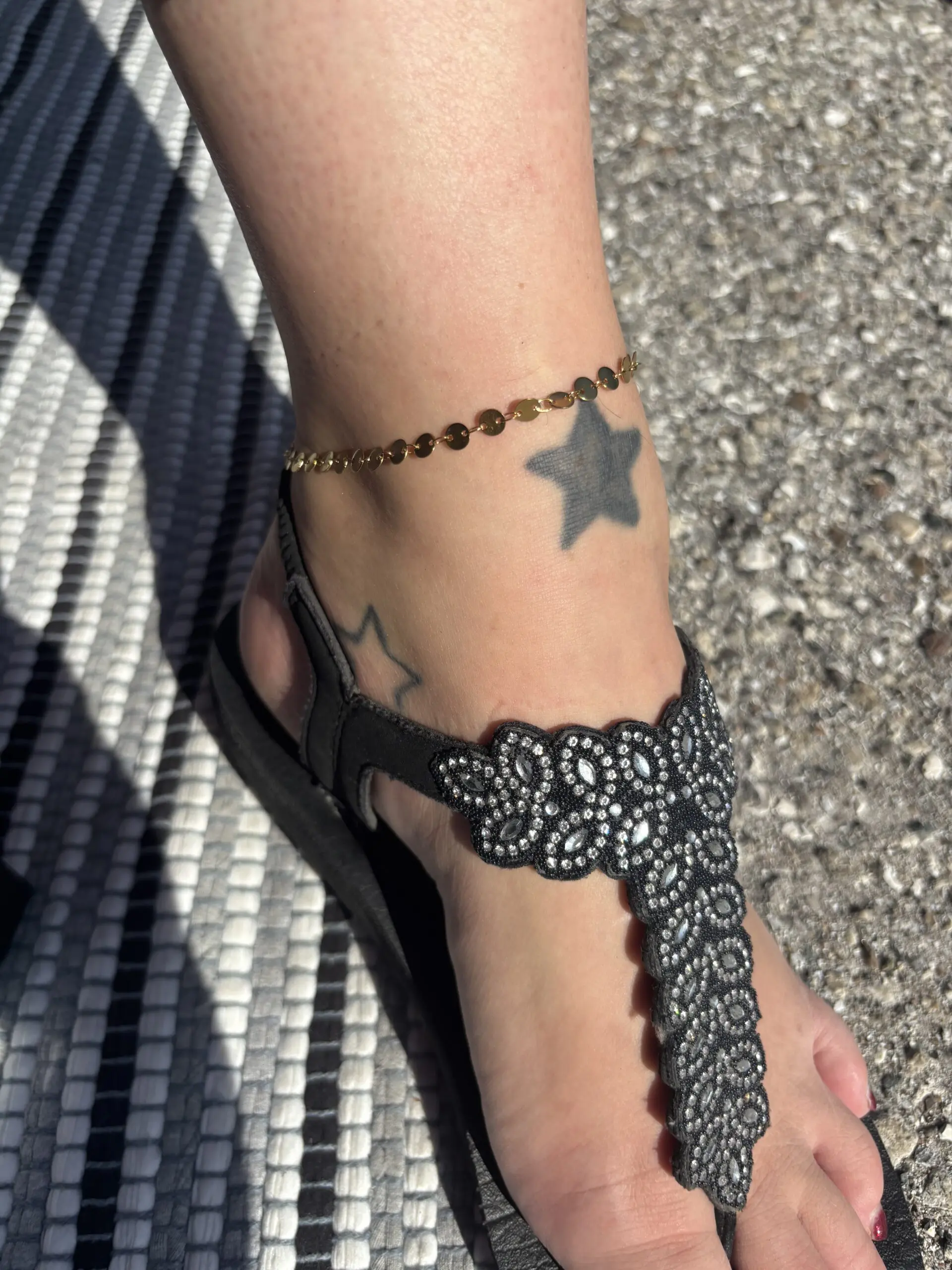
Gold PVD stainless steel is made of stainless steel as the base metal, coated with a layer of titanium nitride and then a final layer of real gold via a Physical Vapor Deposition (PVD) process. This creates a durable, golden-colored finish that is highly resistant to scratching and tarnishing.
Stainless steel is primarily an alloy of iron and chromium, with a minimum of 10.5% chromium, which is what gives it its corrosion resistance.
Stainless steel will need to be removed for an MRI. And if you have a thick chain, it will likely need to be removed at a TSA check.
Other common elements include nickel, manganese, and molybdenum, with varying percentages depending on the specific grade of stainless steel.
Stainless steel for jewelry is not nickel-free, it contains a percentage of nickel, but it is generally considered safe for most people with mild nickel sensitivities because the nickel is tightly bonded within the alloy, reducing the risk of it leaching and causing a reaction. However, those with severe nickel allergies may still experience a reaction.
To clean stainless steel,use a soft cloth with warm soapy water. For tougher jobs or shine, use a 50/50 mix of water and white vinegar or a 1:1 water and rubbing alcohol solution to spray on the surface, then wipe dry. Always dry with a separate cloth to prevent water spots, and use microfiber cloths to avoid scratching.